Hobart City Hall History
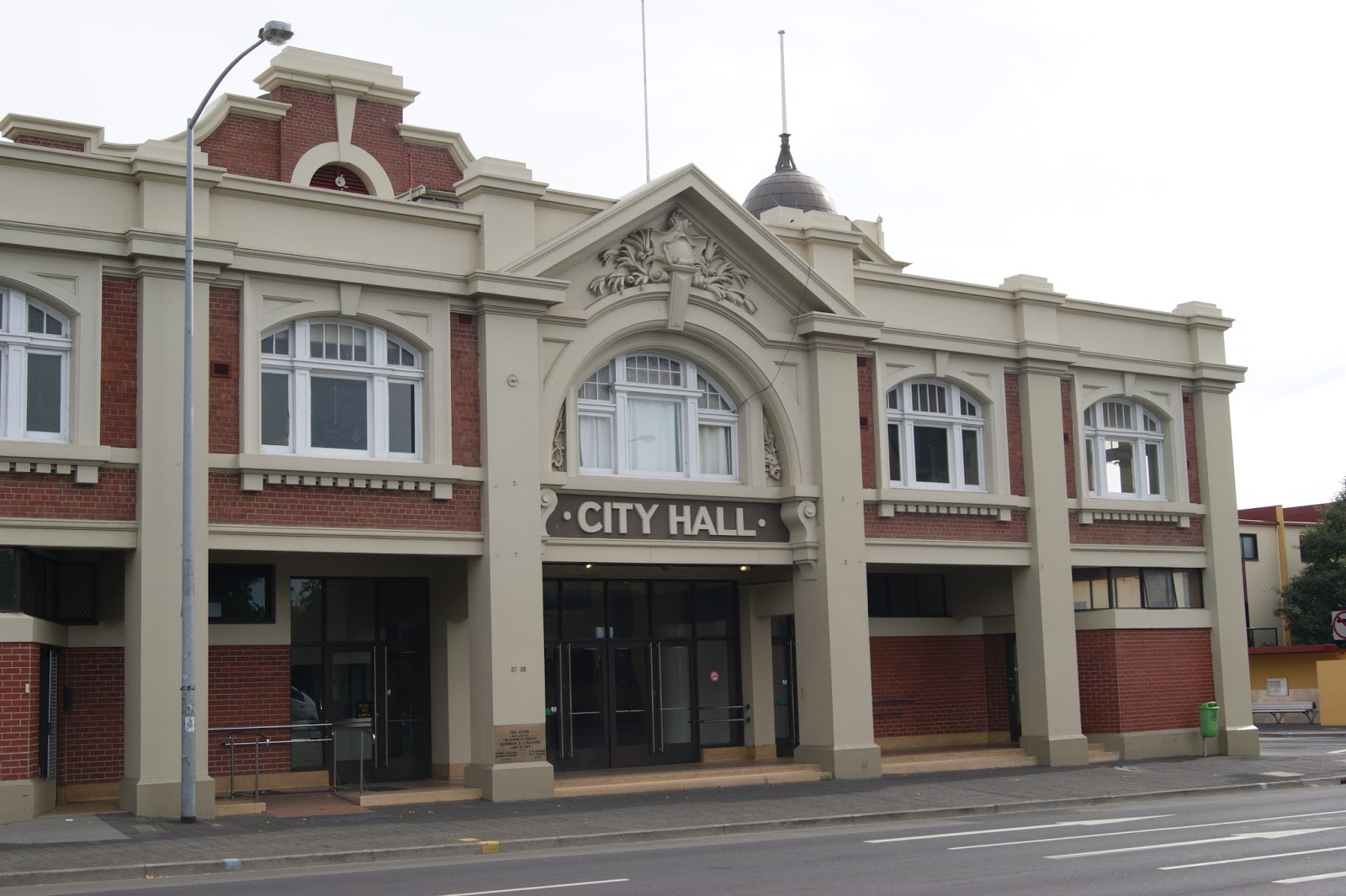
History of the Hobart City Hall:
It was inaugurated in 1915 as a public auditorium and concert venue, distinct from the Hobart Town Hall which serves as the seat of government.
It was built on the site of former city markets and has played a vital role in Hobart’s civic and cultural life.
Origins and Architecture:
Location: Hobart, Tasmania, Australia.
Opened: 1915, replacing the city market space that previously occupied the site.
Architects: Designed by Raymond “Rusty” N Butler, in collaboration with Flack Ricards and Frank Heyward.
Construction Cost: £27,000 at the time.
Purpose and Use:
Function: Hobart City Hall was built as a public auditorium and concert venue, not as a government seat (which is the Hobart Town Hall).
Civic Role: It has hosted concerts, exhibitions, public meetings, and served as an emergency center during crises like the 2013 Tasmanian bushfires.
Cultural Importance: Alongside the Derwent Entertainment Centre, it remains one of Hobart’s two major public venues.
Common Confusion:
Despite its name, Hobart City Hall is not the seat of local government, that role belongs to the Hobart Town Hall, which was built earlier in 1866 and is located 50 Macquarie Street.